 Science
 Work with Us
 About
About
Konjac has been part of Asian cuisine and traditional medicine for over two thousand years. In Japan it’s most commonly encountered as shirataki noodles. In Chinese herbal practice, the root has long been used to support digestion and metabolic balance. In the West, it arrived quietly, mostly as an ingredient in weight management supplements, and has since accumulated a surprisingly solid body of clinical research behind it.
The plant itself, Amorphophallus konjac, grows in parts of Southeast Asia and produces a starchy underground corm that gets processed into powder, flour, or gel. What makes it genuinely useful is its active compound: glucomannan, a water-soluble dietary fiber with some unusual physical properties. Glucomannan can absorb up to 50 times its own weight in water, making it one of the most viscous fibers known. That single property drives most of what it does in the body.
How It Works in the Body
When glucomannan reaches the stomach, it absorbs water and forms a thick, slow-moving gel. This gel takes up space and slows the rate at which the stomach empties. The result is that you feel full faster and stay full longer, not through any hormonal intervention, but through straightforward physical mechanics. The stomach is fuller, transit is slower, and the satiety signal persists.
That slower gastric emptying changes how the rest of digestion unfolds. Glucose from carbohydrates enters the bloodstream more gradually, which blunts the post-meal blood sugar spike and the subsequent crash. Bile acids, which the body uses to digest fat and normally reabsorbs, get bound up in the fiber and excreted instead, forcing the liver to pull LDL cholesterol from the blood to produce more. And in the colon, bacteria ferment the fiber and produce short-chain fatty acids that support gut health and send satiety signals to the brain.
That’s a lot of downstream effect from a single fiber. The clinical research has borne most of it out.
Weight Management and Appetite

The evidence for konjac glucomannan as a weight management support is reasonably strong by supplement standards. A 2015 randomized, double-blind, placebo-controlled trial of 83 overweight adults confirmed significant reductions in body weight, body fat, and cholesterol compared to placebo. A 2025 review published in Discover Food analyzed 10 randomized controlled trials and found that glucomannan supplementation at 5 grams or more per day for 12 or more weeks was associated with meaningful average reductions in BMI, total body weight, and waist circumference in overweight and obese individuals.
The mechanism is direct: when you feel fuller faster and stay full longer, you eat less over the course of a day. Glucomannan doesn’t override hunger hormones or stimulate the central nervous system. It works physically, which also means it avoids most of the side effects associated with stimulant-based appetite suppressants.
Research published in ScienceDirect also found that glucomannan supports the release of GLP-1 and peptide YY, hormones involved in appetite suppression and insulin sensitivity. These are the same hormones that prescription GLP-1 receptor agonists amplify pharmacologically. Glucomannan appears to nudge them naturally, at more modest magnitudes, but through a similar pathway.
Blood Sugar Regulation
Multiple clinical trials have examined glucomannan’s effects on blood glucose, and the findings are consistent. By slowing sugar absorption in the digestive tract, glucomannan reduces the glycemic response to a meal. A 2023 study found that supplementation could significantly lower fasting blood glucose and improve insulin sensitivity in people with type 2 diabetes. An earlier Diabetes Care trial found similar results in people with insulin resistance.
For people without diabetes, this translates to more stable energy through the day, fewer post-meal energy crashes, and less intense sugar cravings. The blood sugar fluctuations that many people experience through the afternoon and evening are partly driven by rapid glucose spikes and drops. Slowing that process affects how people feel hours after eating.
Cholesterol and Cardiovascular Health
A 2024 meta-analysis confirmed that glucomannan supplementation significantly lowered total and LDL cholesterol without affecting HDL levels. The mechanism is the bile acid binding effect described above, a genuine physiological process that mirrors, in modest terms, the mechanism behind certain cholesterol-lowering medications.
A 2008 systematic review reached similar conclusions, finding that konjac glucomannan could simultaneously lower total cholesterol, LDL, triglycerides, and fasting blood glucose. For people managing cardiovascular risk factors alongside weight, that combined profile is useful.
Gut Health

Glucomannan functions as a prebiotic fiber, feeding beneficial bacteria in the colon. A 2008 study found that supplementation increased bowel movement frequency by 30 percent and improved colonic bacterial balance in constipated adults. The short-chain fatty acids produced when gut bacteria ferment glucomannan, particularly butyrate, support the intestinal lining and help reduce gut inflammation.
For anyone dealing with constipation or irregular digestion, this is one of the better-studied natural interventions. The physical bulk-forming effect combined with the prebiotic activity makes it genuinely useful for gut function well beyond the appetite management application.
Skin
This benefit is less widely known. Research has found that konjac-based products can improve skin hydration, texture, and elasticity. A 2013 study found that konjac supplementation reduced acne and improved overall skin health, attributed partly to anti-inflammatory properties and partly to the gut-skin axis, the relationship between gut bacterial balance and skin condition. Konjac sponges are also commonly used in skincare for their gentle exfoliating properties, separate from the dietary fiber application.
How Impact Chews Wisely Uses It
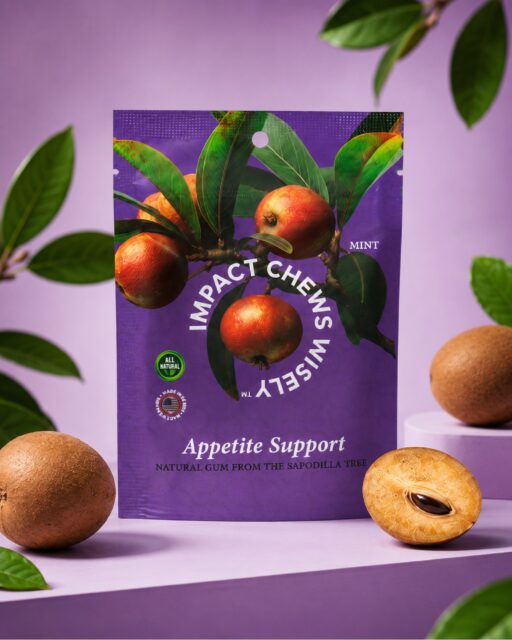
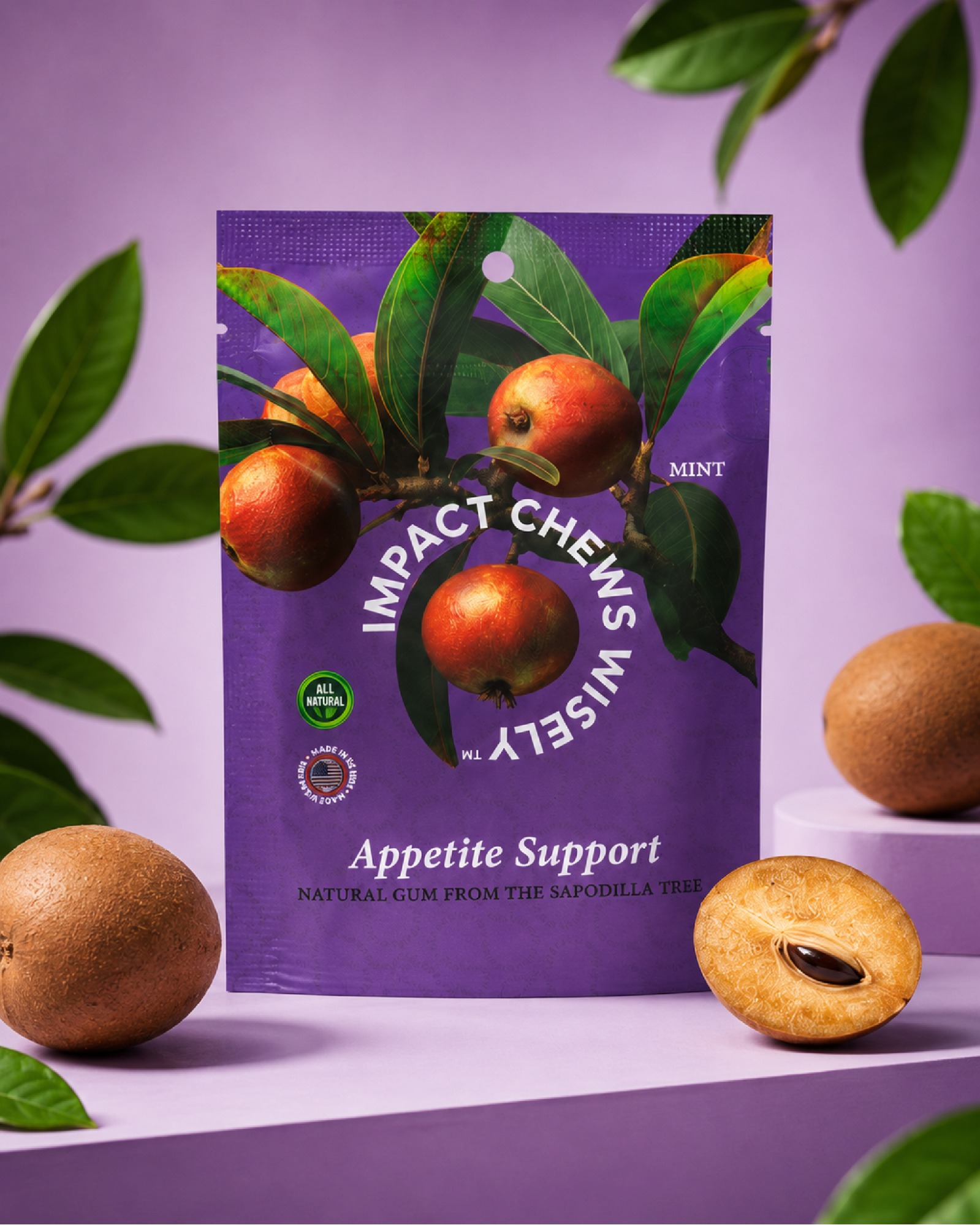
Konjac root is the lead ingredient in Impact’s Appetite Support, and it’s paired with three complementary ingredients. Garcinia cambogia supports digestive wellness and has been studied for reducing inflammation associated with overeating. Chromium picolinate supports healthy blood sugar regulation, which addresses the post-meal craving cycle directly. Fennel seed rounds the formula out with digestive support and a natural appetite-steadying effect.
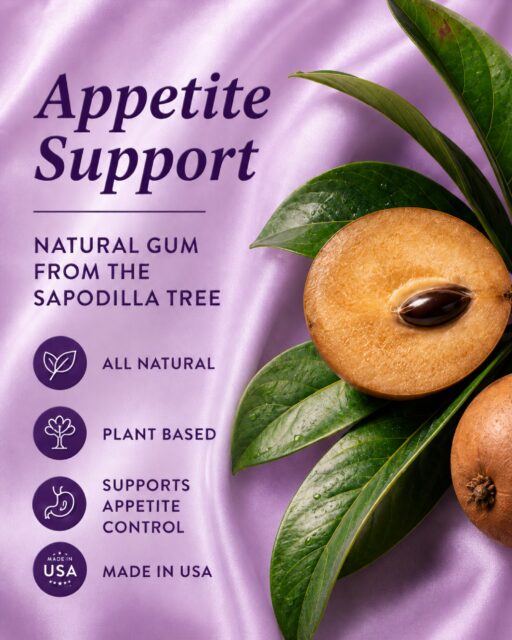
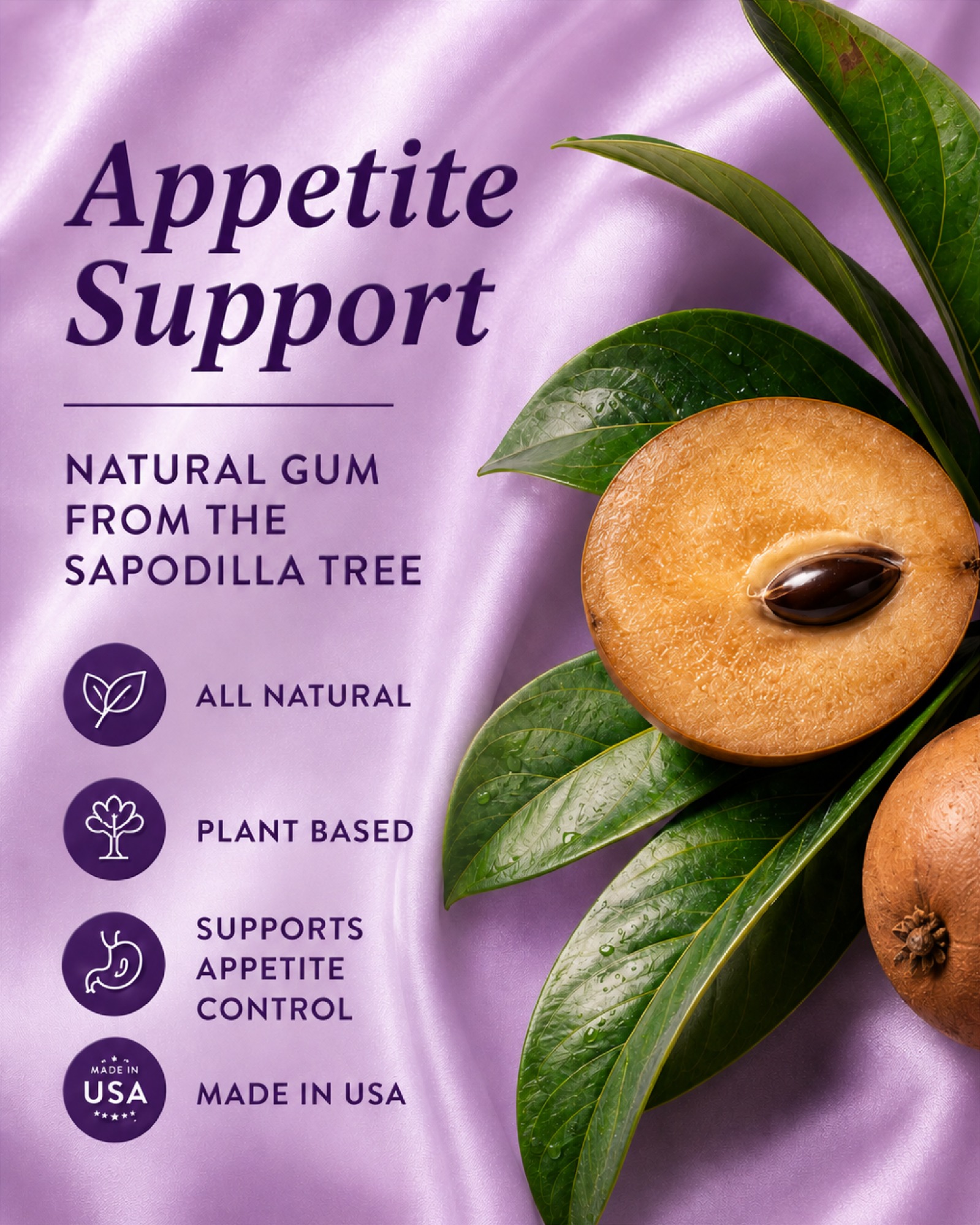
The product is delivered as a functional gum, which is a format worth thinking about. Taking glucomannan as a gum rather than a capsule means the chewing action itself starts sending satiety signals to the brain before any ingredient has even been absorbed. Chewing 30 minutes before a meal gives both the mechanical and the ingredient-based effects time to build. The gum base is made from sapodilla tree sap (natural chicle), plastic-free, vegan, and sweetened with xylitol rather than sugar. Each pack contains 14 pieces for a full week at the recommended routine.
A Few Practical Notes
Konjac glucomannan requires adequate water to work safely. The fiber absorbs liquid as it moves through the digestive tract, which is why supplements in capsule or powder form should always be taken with a full glass of water. Without sufficient liquid, the fiber can swell before fully reaching the stomach. This is not a theoretical risk; the FDA issued warnings about certain konjac candy products specifically because they caused choking in older adults and children when consumed without enough liquid. Gum format reduces this risk considerably since the compound is released gradually rather than swallowed in bulk form.
Some people experience mild digestive side effects when first introducing glucomannan, including bloating or loose stools, particularly at higher doses. Starting at a lower dose and building gradually gives the digestive system time to adjust. Most people tolerate it well once their system adapts.
Glucomannan can also slow the absorption of oral medications taken at the same time. If you take prescription medications, take them at least an hour before or two hours after any glucomannan-containing supplement, and check with your healthcare provider about any specific interactions
View this post on Instagram
Impact’s Appetite Support puts konjac root, garcinia cambogia, chromium picolinate, and fennel seed into a clean, plastic-free functional gum. Pre-order at impactchewswisely.com
This article is for informational purposes only and does not constitute medical advice. These statements have not been evaluated by the FDA. This product is not intended to diagnose, treat, cure, or prevent any disease. Consult a qualified healthcare provider before starting any new supplement