 Science
 Work with Us
 About
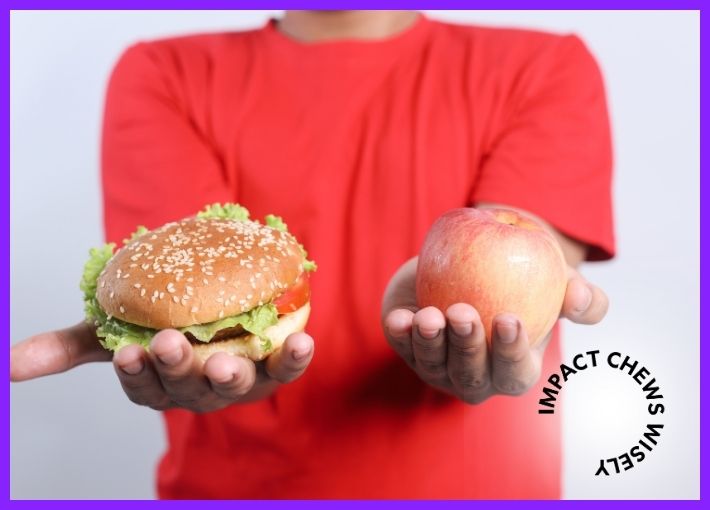
GLP-1 medications have changed how millions of people think about hunger and fullness. If nothing else, they’ve made one thing widely understood: appetite isn’t a matter of willpower. It’s biology — hormones, signals, and timing — and biology can be worked with.
That shift matters for everyone, including people who aren’t on a GLP-1 medication and may never be. Some don’t qualify, some can’t tolerate the side effects, some are maintaining progress after coming off a medication, and some simply prefer to start with smaller, non-prescription tools.
That’s the conversation this post is about: what appetite science teaches us, and where a simple habit — mindful chewing — fits into the picture.
What the GLP-1 Era Taught Everyone About Appetite
GLP-1 stands for glucagon-like peptide-1, a hormone your gut releases naturally when you eat. It signals your brain that food has arrived and helps you feel satisfied. The medications work by mimicking and amplifying that signal.
Here’s the part that often gets missed: your body already runs a version of this system every day, for free. Eating triggers a cascade of fullness signals — GLP-1, along with hormones like PYY and CCK — that travel from your gut to your brain. The catch is that this cascade takes time. Research commonly cites a lag of roughly 15 to 20 minutes between starting a meal and your brain fully registering fullness.
Now think about how fast most of us eat. A rushed lunch can be finished in eight minutes — long before your satiety signals ever get a word in. You weren’t “overeating because you lack discipline.” You were simply outrunning your own biology.
Why Chewing, of All Things?
Chewing sounds almost too simple to matter. But it sits at the front door of the entire satiety cascade, and researchers have paid it real attention.
Several studies have linked more thorough chewing and slower eating to eating less at a meal and feeling satisfied sooner. The proposed reasons make intuitive sense:
- Time. More chewing stretches the meal out, giving those gut hormones a chance to catch up before you’ve cleaned your plate.
- Signaling. Some research suggests the act of chewing itself is associated with the release of satiety-related gut hormones.
- Awareness. Slow chewing forces attention onto the food in front of you. Distracted eating is consistently associated with eating more and remembering it less.
None of this makes chewing a replacement for medication, and it shouldn’t be framed that way. GLP-1 medications are powerful clinical tools that belong in a conversation between a patient and their doctor. Chewing is something humbler: a natural lever on the same system, available to anyone, with no prescription and no side-effect profile beyond a tired jaw.
The Problem: Nobody Remembers to Eat Mindfully
“Eat slowly and mindfully” is easy advice to agree with and hard advice to follow, because the moments you most need it — stress, cravings, the afternoon slump, the pantry drift after dinner — are exactly the moments you’re least likely to remember it.
What helps is having a physical cue. Something you can reach for that interrupts the autopilot, occupies your mouth and your attention, and buys your brain a few minutes to catch up with what your body actually needs.
Where Impact’s Appetite Support Chews Fit In
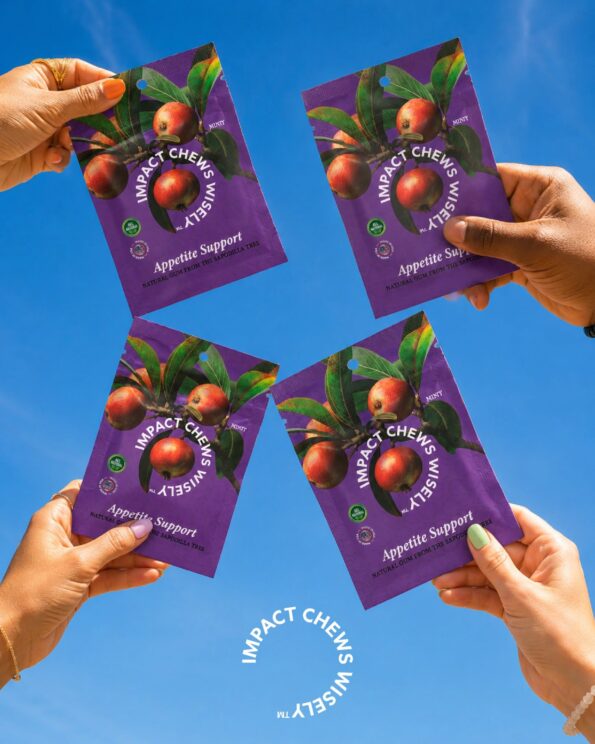
This is the gap Impact’s Appetite Support chews were designed for: a gum built around the science above, with the act of chewing as a practical, portable tool for managing cravings and supporting mindful eating between and around meals.
Instead of white-knuckling a craving or wandering back to the kitchen out of habit, you reach for a chew. The chewing occupies the moment. It gives you something to do with the urge, slows you down, and creates the pause where you can actually ask: am I hungry, or am I bored, stressed, or just near food?
A few honest framing points:
- It’s a support tool, not a weight-loss treatment. The heavy lifting still comes from your overall eating pattern, movement, sleep, and — if you and your doctor choose — medical care.
- It complements other approaches. People using GLP-1 medications still benefit from mindful-eating habits, and people not using medication get a natural, low-stakes way to work with their appetite signals.
- It’s for the in-between moments — the snack cravings, the grazing, the “I just ate, why do I want more” stretches — which for many people are where the day quietly goes sideways.
How to Build the Habit
Try this for two weeks:
- Identify your two weakest moments. For most people it’s mid-afternoon and after dinner. Be specific about yours.
- Stage the chews there. Desk drawer, bag, kitchen counter — wherever the craving usually finds you.
- Chew first, decide second. When the urge hits, take a chew and give it ten minutes. If you’re genuinely hungry afterward, eat slowly. Often, the moment has passed.
- Slow your actual meals too. Put the fork down between bites. Aim to be the last one finished. It compounds.

Autopilot is powerful, but a quick physical reset is stronger. Give your brain five minutes to catch up with your appetite.
Frequently Asked Questions
Does chewing more really help you eat less?
Research suggests it can. Studies have linked more thorough chewing and slower eating with reduced food intake at meals and greater feelings of fullness, likely because slower eating gives your gut’s satiety hormones time to signal your brain.
Are appetite support chews an alternative to GLP-1 medications?
No, and they shouldn’t be positioned that way. GLP-1 medications are prescription treatments with clinically demonstrated effects, and decisions about them belong with your healthcare provider. Chews are a natural, non-prescription support tool for mindful eating that can be used alongside medication, before considering it, or by people who aren’t candidates for it.
When is the best time to use an appetite support chew?
Between meals, when cravings typically hit — mid-afternoon, late evening, or any moment you notice yourself reaching for food out of habit rather than hunger.
Can I use appetite support chews while on medication?
Chewing gum is generally a low-risk habit, but if you’re on any medication or managing a health condition, check with your healthcare provider about anything new you add to your routine — including supplements and functional chews.
The Takeaway
The GLP-1 era’s real lesson is that appetite is biology you can work with, not a character flaw to fight. Medications are one way. Slowing down, paying attention, and genuinely chewing is another — available to anyone, today.
Pick your two weakest moments this week, put a tool within reach, and give your fullness signals the head start they’ve been asking for.
Try Impact’s Appetite Support chews and see where mindful chewing fits in your day.
Follow Impact Chews on Instagram @impactchewswisely.
*This article is for informational purposes only and is not medical advice. Impact Chews products are not intended to diagnose, treat, cure, or prevent any disease. Always consult your healthcare provider about your individual health needs.*