 Science
 Work with Us
 About
About
This article is for general wellness information only and is not medical advice. If you’re struggling with disordered eating, support is available.
A few years ago, almost nobody used the phrase “food noise.” Now it’s everywhere — in podcasts, in waiting rooms, in the captions of every other wellness post on your feed.
The reason is partly cultural and partly chemical. As GLP-1 medications like Ozempic and Wegovy moved into the mainstream, the people taking them needed a word for something they’d felt their whole lives but couldn’t quite name — the constant background hum of thinking about food. And then, suddenly, it was gone. The quiet was so noticeable they had to give the noise a name to describe what had disappeared.
So what is food noise, really? And if you’re not on medication, can you turn it down anyway?
What food noise actually is
Food noise is the persistent, intrusive, low-grade mental chatter about food that happens outside of genuine hunger.
It’s thinking about what’s for lunch while you’re still eating breakfast. It’s the snack drawer pulling at your attention during a meeting. It’s planning dinner at 10am, mentally rehearsing the drive-through on your commute, opening the fridge five times in an hour without taking anything out.
 It isn’t hunger. Hunger is a physical signal — a hollow stomach, a dip in energy, a clear “feed me” message from the body. Food noise is cognitive. It’s the brain returning to food the way it returns to a notification you haven’t checked yet.
For some people, food noise is a faint background track. For others, it’s a full radio station playing on loop, drowning out everything else. And — importantly — the volume isn’t a reflection of willpower. It’s biology, psychology, and environment, all stacked.
Why some people hear it louder than others
Several things turn the volume up:
Hormones. Ghrelin (your hunger hormone) and leptin (your fullness hormone) don’t always communicate cleanly. In people with insulin resistance, chronic dieting history, or genetic predispositions, the signaling gets noisy and unreliable — so the brain stays alert to food even when the body doesn’t need it.

Restriction. This is the cruel one. The more you tell yourself you can’t have a food, the more mental real estate it occupies. Diet culture has spent decades selling restriction as the answer to overeating, but restriction is often what creates the noise in the first place.
Stress and sleep. Poor sleep raises ghrelin and lowers leptin the next day — a measurable, overnight shift. Chronic stress keeps cortisol elevated, which drives cravings for high-energy foods. Both crank the volume.
Environment. Food advertising, ultra-processed snacks engineered to be hard to stop eating, food delivery on your phone, the candy bowl at the office. The modern environment isn’t neutral — it’s actively designed to keep food top-of-mind.
Emotion. Boredom, anxiety, loneliness, even joy — all of these can route through food for a lot of people. That’s not a character flaw; it’s a coping pattern, usually built early.
Why GLP-1s made it a household term
When patients on GLP-1 medications describe what’s changed, the loudest report isn’t smaller meals or faster weight loss. It’s the silence.
The medication acts on appetite-regulating regions of the brain — including areas tied to reward and craving — and for many people, that constant food chatter just… stops. They forget to eat. They walk past the snack drawer without registering it. They can sit in a meeting without their attention drifting to lunch.
That’s why “food noise” became the term of the moment. It described an experience millions of people had lived with their entire lives, without ever having a name for it. And it raised an obvious question: if a medication can quiet it, what else can?
How to turn the volume down without medication
You can’t fully eliminate food noise — and you probably wouldn’t want to, since some food awareness is healthy. But you can lower the baseline significantly. Here’s what actually works:
Eat enough, especially protein and fiber. Under-eating, particularly early in the day, is one of the biggest amplifiers of food noise. A breakfast built around 25–30g of protein and meaningful fiber stabilizes blood sugar and sends clear satiety signals — which means the brain stops scanning for the next meal.
Stop labeling foods “good” and “bad.” Restriction creates obsession. Foods you’ve made forbidden become louder, not quieter. Counterintuitively, neutralizing foods — letting them exist as just food — is often what turns down the volume long-term.
Get serious about sleep. Seven-plus hours isn’t a wellness cliché on this one. The hormonal shift after a poor night is real and measurable, and it’ll make the next day’s food noise noticeably louder.
Notice the trigger, not just the craving. When you find yourself drifting toward the kitchen, pause for ten seconds and ask: am I actually hungry, or am I bored, anxious, tired, or procrastinating? You don’t have to act on the answer. Just naming it weakens the loop.
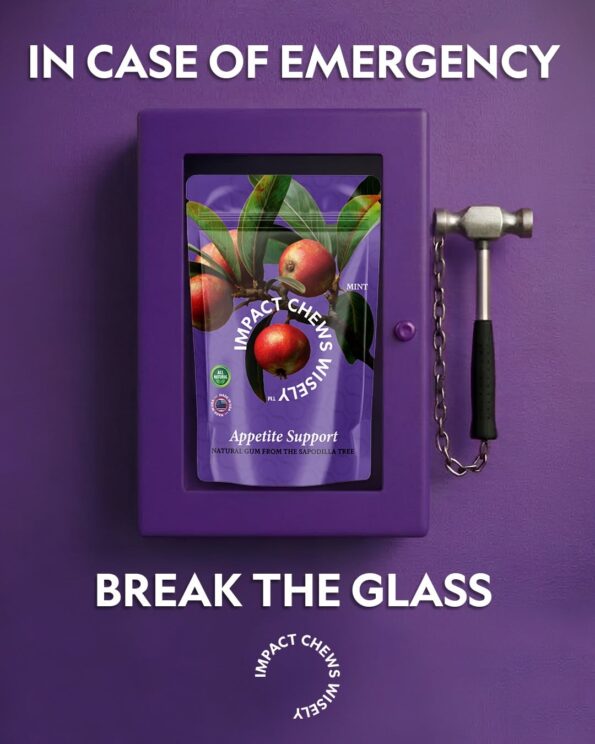
Use a pattern interrupt before meals. A small, sensory, repeatable action — a glass of water, a short walk, a piece of gum — creates a buffer between the craving and the eating. It’s a small thing, but small things compound.
A simple tool for the noisy moments
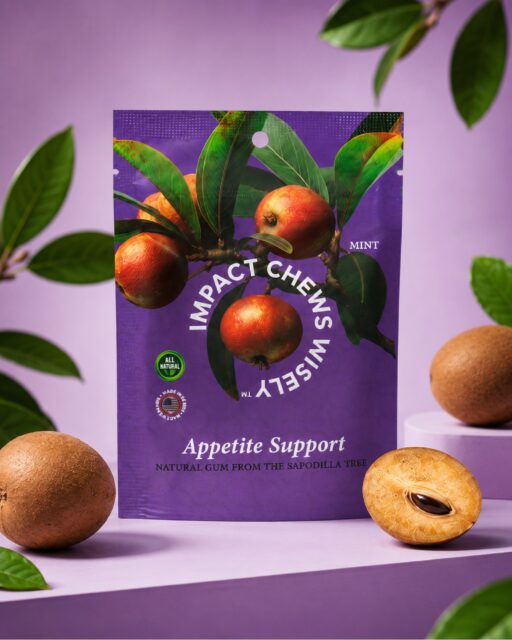
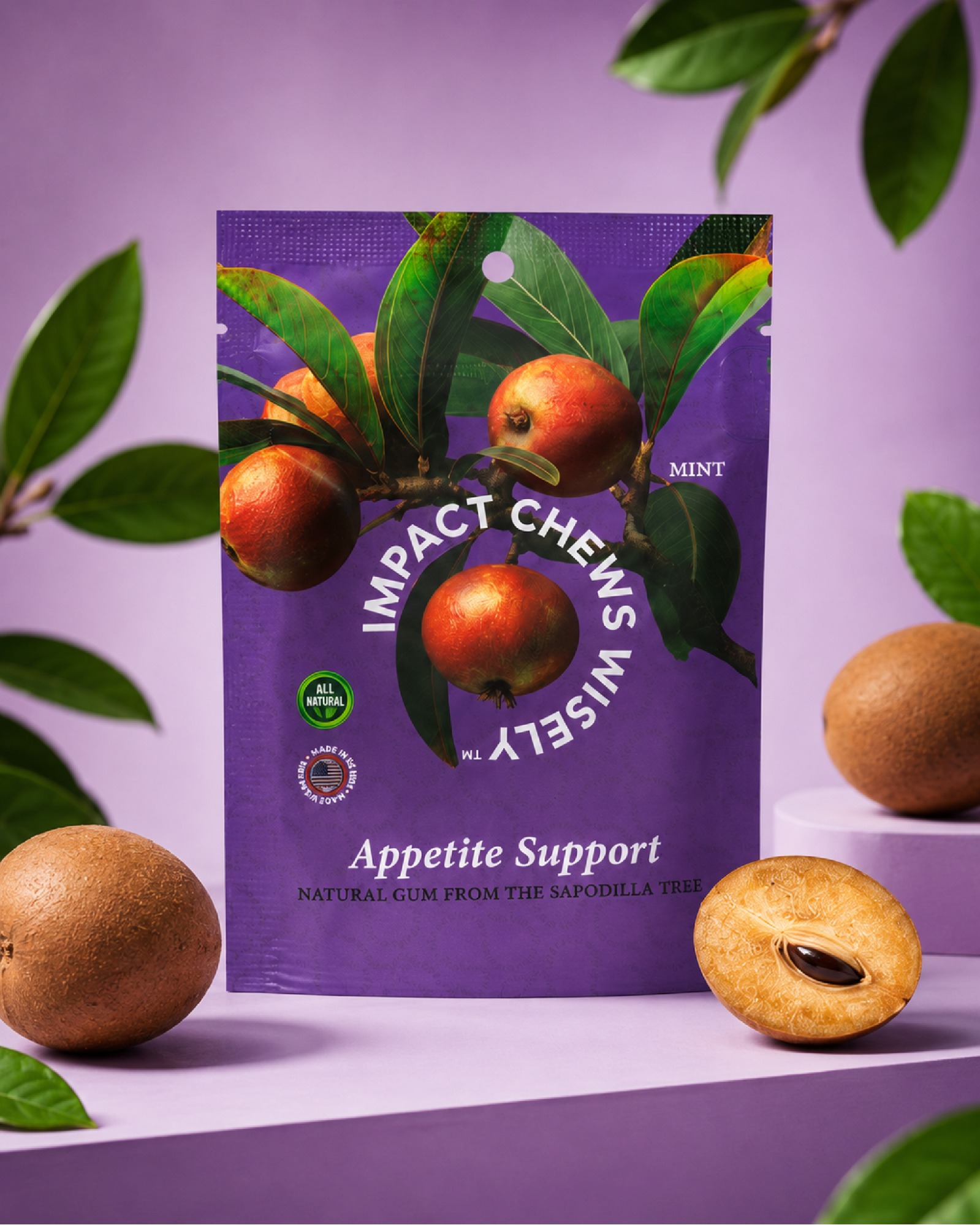
This last point is exactly where Impact’s Appetite Support earns its place.
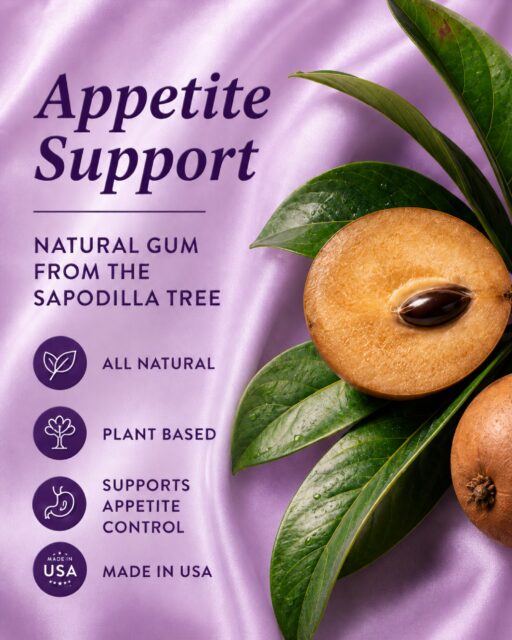
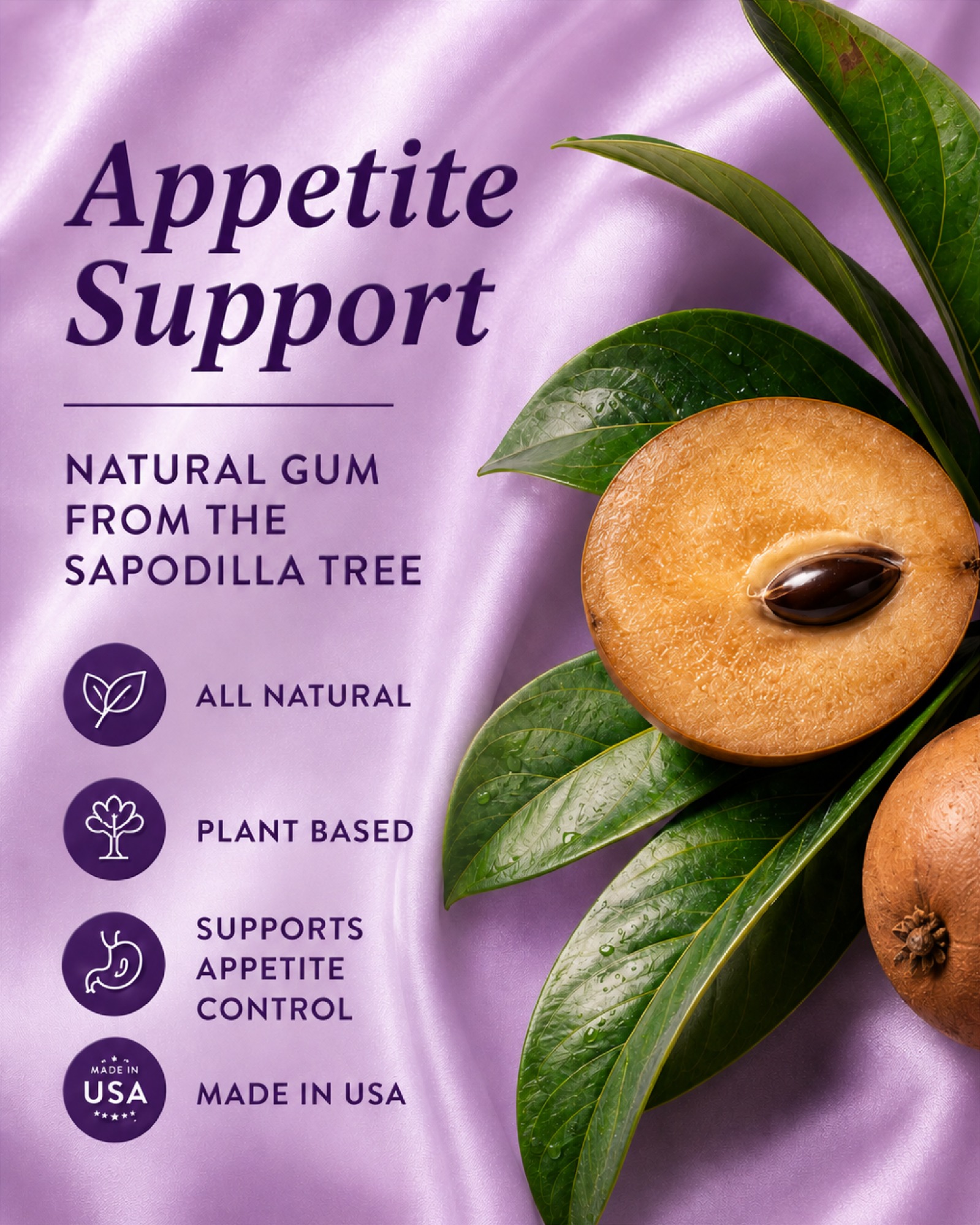
It’s a clean, vegan, sugar-free chewing gum made with natural ingredients, plant-based xylitol, and chicle from the sapodilla tree — no synthetic gum base, no aspartame, no plastic. Chew one piece for 5–10 minutes about half an hour before meals, and it helps take the edge off appetite and cravings so you arrive at the table steady instead of starving.
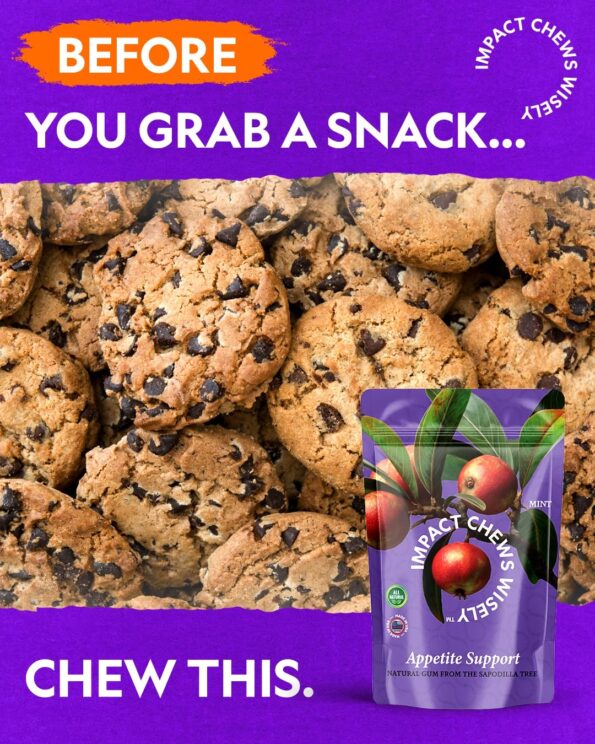
It’s not a medication and it’s not a magic fix. It’s something better: a small, repeatable habit you can deploy in the exact moments food noise gets loudest — the 4pm slump, the drive home, the half-hour before dinner when everything in the pantry looks irresistible.
A small chew. A small pause. A quieter mind around food.
Try Impact’s Appetite Support →
Once you’ve ordered, join us on Instagram @impactchewswisely — that’s where the real conversations live. Real people, real food-noise stories, and a community working toward a more mindful relationship with appetite, together.