 Science
 Work with Us
 About
About
This article discusses weight loss medications and is for general wellness information only. It is not medical advice — always speak with your healthcare provider before starting, stopping, or changing any prescription medication.
GLP-1 medications — Ozempic, Wegovy, Mounjaro, Zepbound — have transformed the weight loss conversation. For millions of people, they’ve made appetite quieter, meals smaller, and goals reachable for the first time.
But there’s a question that’s only recently getting honest airtime: what happens when you stop?
Whether you’re tapering off because you’ve hit your goal, the cost is unsustainable, the side effects became too much, or you simply want your life back without weekly injections — the post-medication phase is where a lot of progress quietly unravels. And if you’ve been considering these medications but would rather not start at all, the same physiology is worth understanding.

The rebound nobody mentions in the consultation
When you’re on a GLP-1, your hunger hormones are essentially turned down. Ghrelin signals get quieter. Meals feel satisfying at half the size. The “food noise” — that constant low-level chatter about what’s next to eat — fades into the background.
Then the medication tapers off, and the volume comes back up. Sometimes louder than before.
A 2026 systematic review in eClinicalMedicine found that, on average, patients regain about 60% of the weight they lost within a year of stopping a GLP-1. Other clinical sources put the rebound range at 50–80%, depending on how abruptly someone discontinues and how much structural support they have in place.
Why? Two things happen at once. Appetite ramps back up quickly — sometimes within days. Metabolism, meanwhile, takes much longer to catch up. That mismatch is where the regain lives.
Why tapering off is harder than starting
Most clinicians now recommend a gradual taper rather than going cold turkey — spacing out doses, stepping down strength, giving the body time to adjust. The reason is exactly the rebound problem above: an abrupt stop is a shock to the system, while a slow reduction lets hunger return in manageable waves rather than a tidal one.
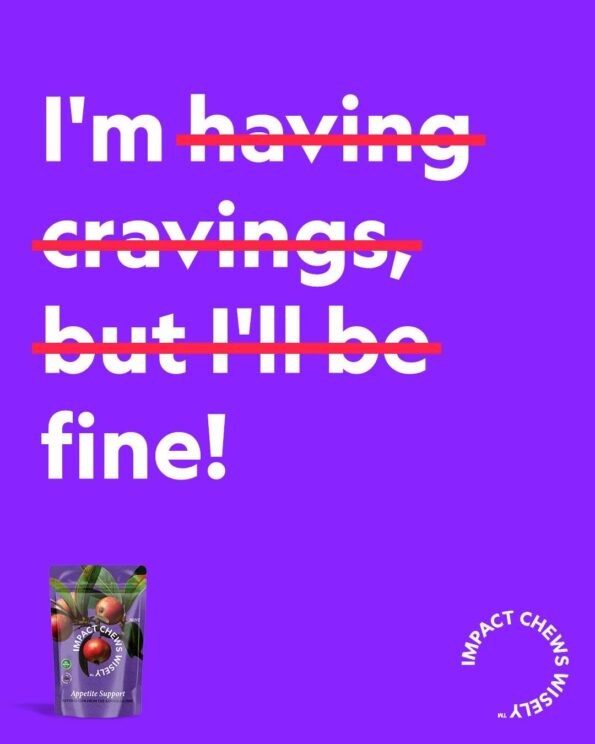
But tapering only buys you time. The real work happens in what fills the gap the medication used to fill: structure around meals, protein at every sitting, sleep, strength training to protect lean muscle, and — critically — tools for the cravings that show up when the medication isn’t doing the heavy lifting anymore.
This is the moment where most people falter, not because they lack willpower, but because they suddenly have to navigate hunger they haven’t felt in months or years. The old defaults — late-afternoon snacking, evening grazing, that one specific drive-through on the way home — are still wired into the brain. They were just easier to ignore when nothing felt urgent.

What about people who’d rather skip the injections entirely?
There’s a quieter group in this conversation: people who looked at GLP-1s and decided no.
The reasons vary. The needle. The cost. The unknowns around long-term use. The gastrointestinal side effects. A preference for sustainable, lifestyle-led approaches. The desire to build the habits first rather than retrofit them later.
For this group, the goal is similar — manage appetite, support steady progress, build a relationship with food that lasts — just without the prescription. And the tools matter even more, because there’s no chemical buffer doing the work in the background.
A small, mindful tool for the gap
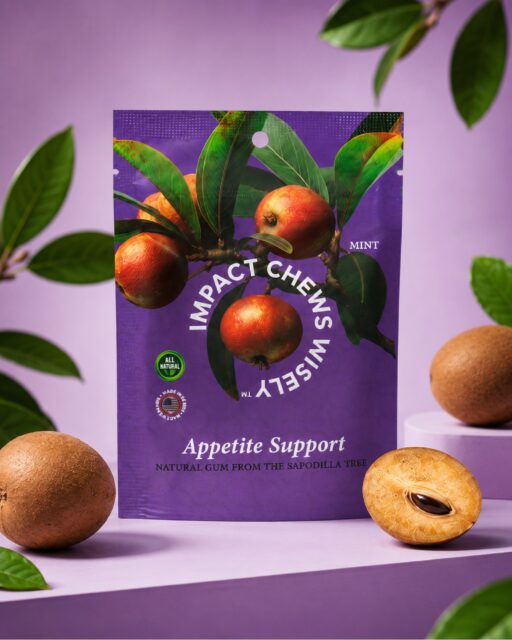
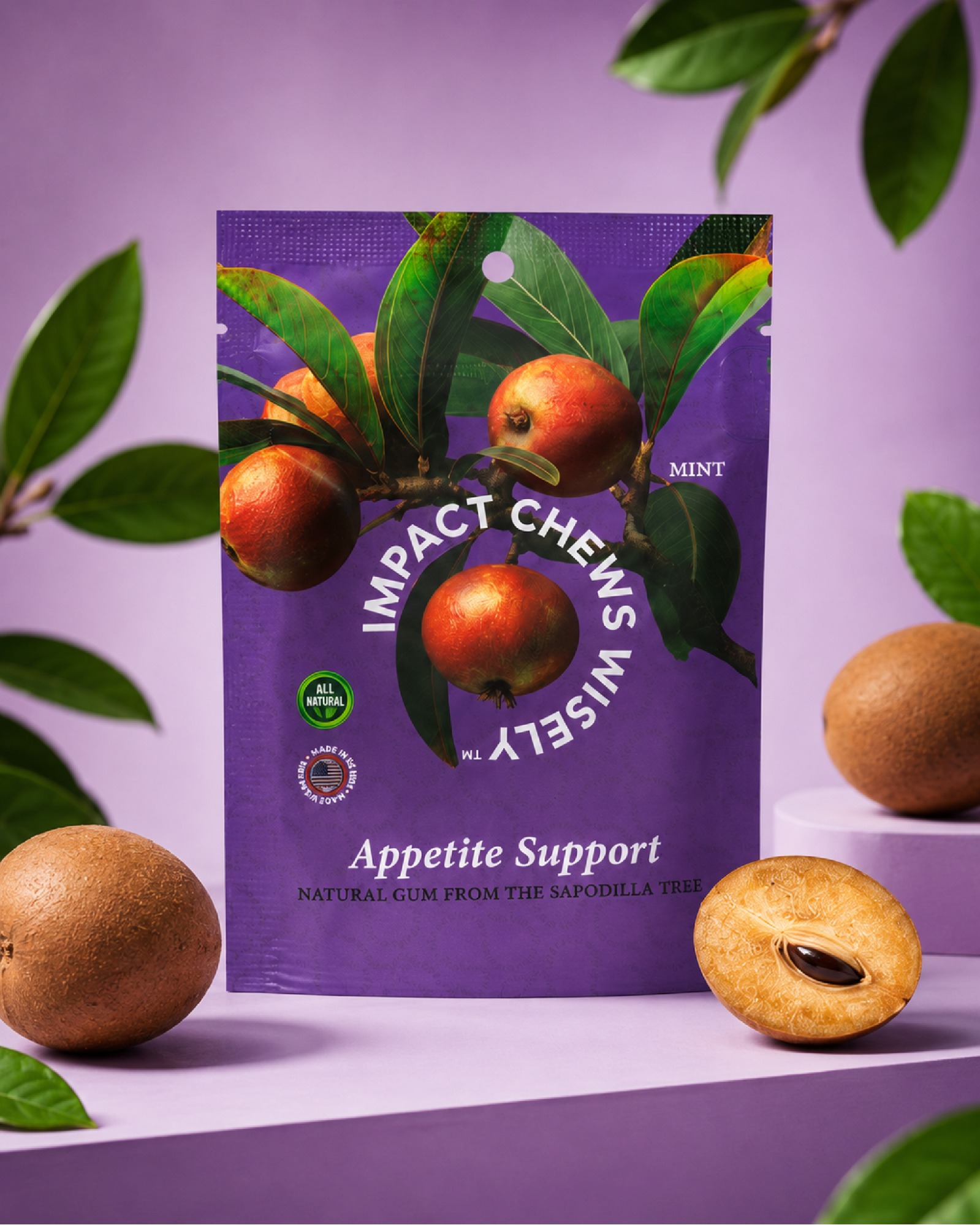
This is exactly what Impact’s Appetite Support was built for.
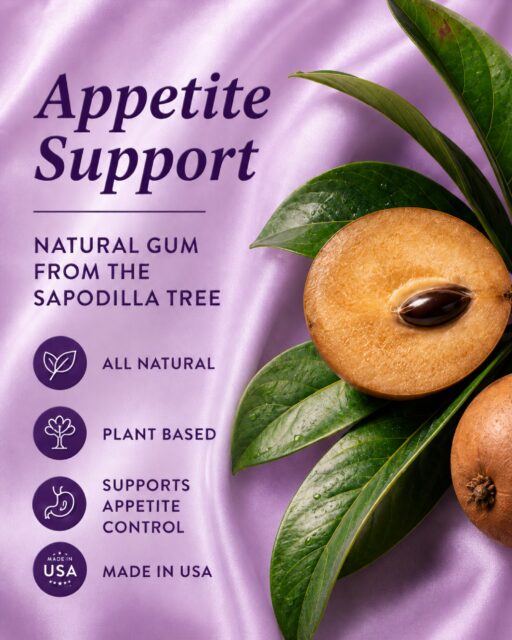
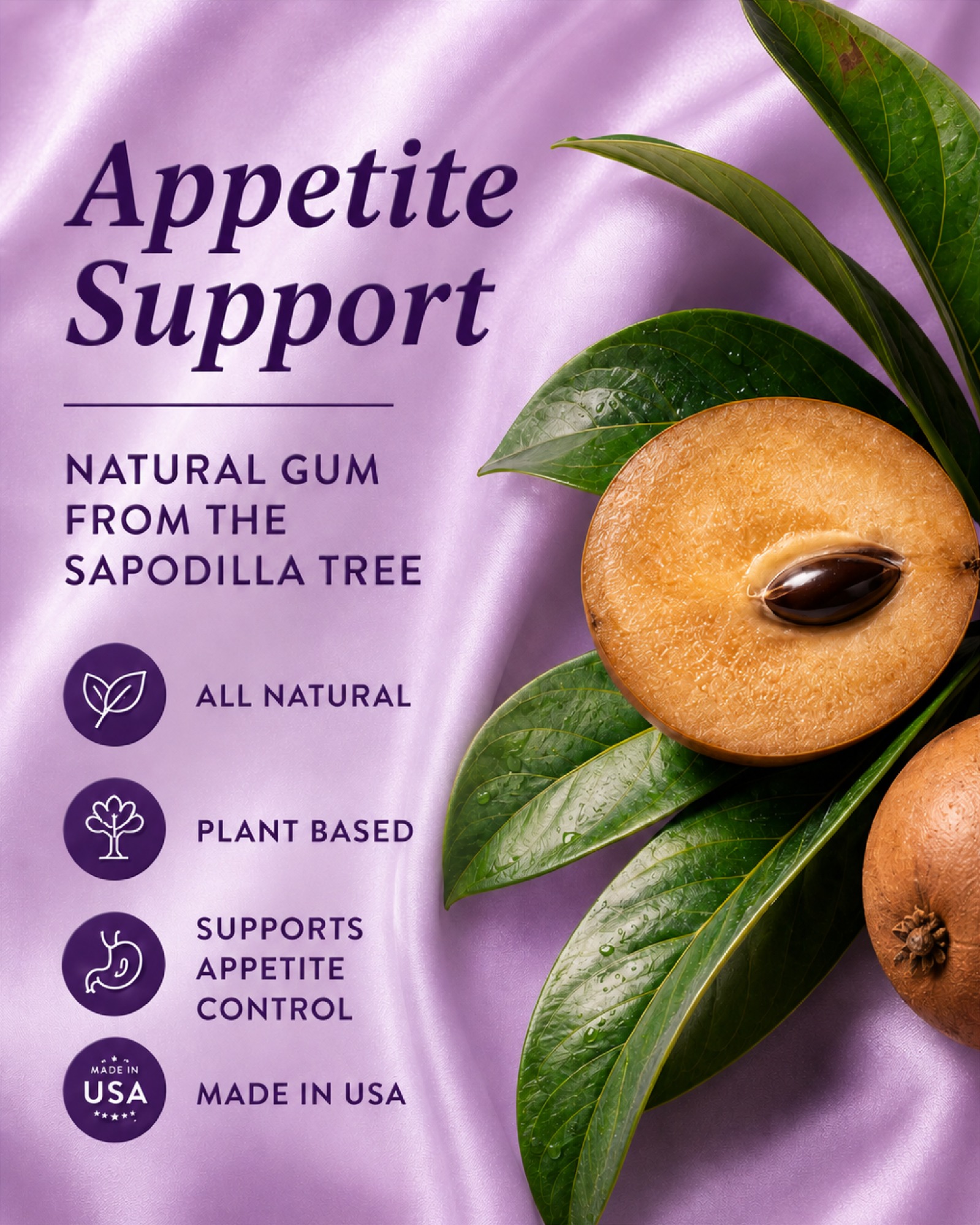
It’s a clean, vegan, sugar-free chewing gum — made with natural ingredients, plant-based xylitol, and chicle from the sapodilla tree (no synthetic gum base, no aspartame, no plastic). Chew one piece for 5–10 minutes about half an hour before meals, and it works to take the edge off appetite and cravings before you sit down to eat.
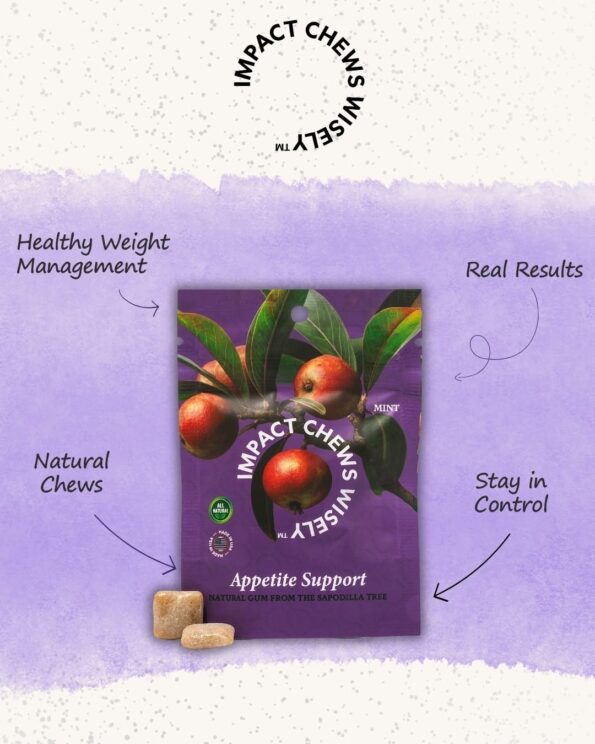
It’s not a replacement for a GLP-1. It’s a tool — the kind of small, repeatable habit that supports the harder work of:
- Tapering off a GLP-1 and managing the rebound hunger that comes with it
- Maintaining results once you’ve come off completely
- Skipping the injections altogether and building appetite awareness from the ground up
- Bridging the moments when willpower is at its lowest — late afternoons, the hour before dinner, post-work cravings
Fourteen pieces per pack. Portable. No prescription. No needles. Just a small, mindful chew that fits in your bag and meets you where the hunger actually shows up.
Try Impact’s Appetite Support →
And once you’ve ordered, join us on Instagram @impactchewswisely — that’s where we share real stories from people navigating GLP-1 transitions, injection-free journeys, and everything in between. The conversation is just as important as the chew.