 Science
 Work with Us
 About
About
The results from GLP-1 medications like Ozempic and Wegovy genuinely surprised a lot of people. Clinical trials showed average weight losses of 15 to 20 percent of body weight, results that were difficult to achieve through diet and exercise alone. For millions of people, these drugs delivered real, meaningful change.
Then many of them stopped taking the medication, and the weight came back.
This isn’t surprising to the researchers who ran the trials. The STEP 1 trial extension, one of the most closely watched studies in this area, followed participants for a full year after they stopped semaglutide. On average, they regained about two-thirds of the weight they had lost within 12 months. A University of Cambridge analysis of broader data reached similar conclusions, with participants recovering roughly 60 percent of lost weight a year after discontinuing treatment.
Understanding why this happens and what can meaningfully slow it down matters for anyone who has used these medications or is considering them.
Why the Weight Comes Back
GLP-1 drugs suppress the symptoms, not the underlying cause
GLP-1 receptor agonists work by mimicking a hormone the gut naturally produces after eating. That hormone slows stomach emptying, reduces appetite, and signals the brain that the body has had enough. While you’re taking the medication, hunger is quieter. Food is less mentally preoccupying. Portion sizes naturally decrease.
When you stop, the medication’s effect fades over a few weeks. The brain’s appetite regulation system, which had been pharmacologically dialed back, ramps up again. Hunger returns, sometimes strongly. Food becomes more mentally prominent. And the body, operating under what researchers call the set point theory, actively works to restore the weight it had been defending before treatment started. The gut releases hormones that increase appetite and make food more rewarding. The resting metabolic rate drops. The body treats the lost weight as a deficit it needs to recover.
Habits may not have changed enough during treatment
Many people using GLP-1 medications found that appetite suppression did the heavy lifting. They ate less without consciously trying, which is precisely the point. But if the underlying patterns, meal composition, portion habits, and emotional relationship with food weren’t actively rebuilt during the treatment period, those patterns tend to reassert themselves once the pharmacological suppression is gone.
This isn’t a failure of effort. It reflects the reality that these drugs are effective at changing how much people eat but not necessarily why or how they eat. The behavioral piece requires separate, deliberate attention.
Muscle loss during treatment
Weight loss on GLP-1 medications is not purely fat loss. Research suggests that lean body mass, including muscle, can account for up to 40 percent of total weight lost during treatment. Muscle tissue burns more calories at rest than fat does. When muscle decreases during the weight loss phase and fat is subsequently regained, the resting metabolic rate can end up lower than it was before treatment, which makes maintaining weight harder going forward.
Natural Tools That Can Help
The goal after stopping a GLP-1 medication is to keep the biological and behavioral work the drug helped initiate going on its own. Several approaches have solid evidence behind them.
Protein and fiber at every meal
Both protein and dietary fiber slow gastric emptying and extend the feeling of fullness, partly mimicking the mechanism of GLP-1 drugs. High-protein meals also preserve muscle mass, which matters especially if there was lean tissue loss during the treatment period. Getting protein at breakfast, not just at dinner, is one of the most consistently supported strategies for appetite regulation across the full day.
Fiber from whole foods, vegetables, legumes, whole grains, and fruits feeds gut bacteria that produce short-chain fatty acids, which themselves signal satiety and help regulate blood sugar. Adequate daily fiber is one of the least glamorous but most evidence-backed dietary habits for long-term weight maintenance.
Resistance training
Building and maintaining muscle is one of the most effective ways to keep metabolism from slowing after weight loss. Resistance training two to three times a week, even moderate-intensity bodyweight or free weight work, helps preserve lean tissue and improves how the body processes glucose. It also supports the continued production of hormones that regulate appetite. People who maintained consistent exercise during GLP-1 treatment and continued afterward consistently showed better weight maintenance outcomes in follow-up data.
Sleep quality
This one gets underestimated. Poor sleep raises ghrelin and lowers leptin, which is essentially the opposite of what GLP-1 drugs were doing. Seven to nine hours of quality sleep per night is not a luxury recommendation. It’s one of the few lifestyle interventions with measurable, documented effects on appetite regulation and long-term weight maintenance.
Addressing the psychological side
For many people, eating is shaped as much by stress, boredom, social situations, and emotional patterns as by actual hunger. GLP-1 medications reduce the mental noise around food, making it easier to recognize real hunger signals. That window is valuable for building a different relationship with eating. Working with a dietitian or behavioral health professional during the treatment period tends to produce substantially better long-term results than relying on the medication alone.
Where Impact’s Appetite Support Fits In
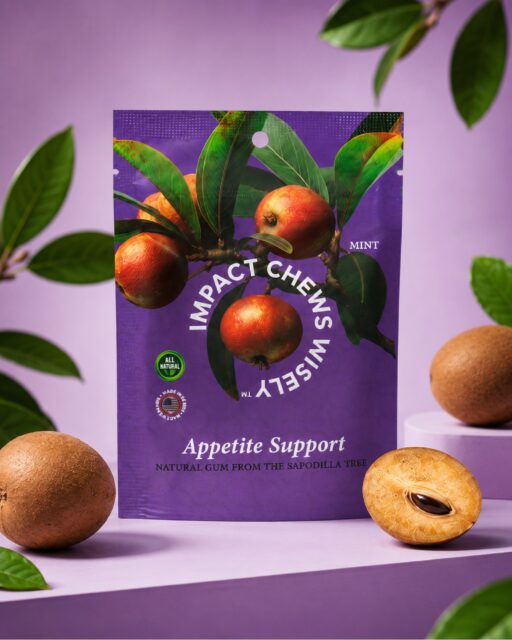
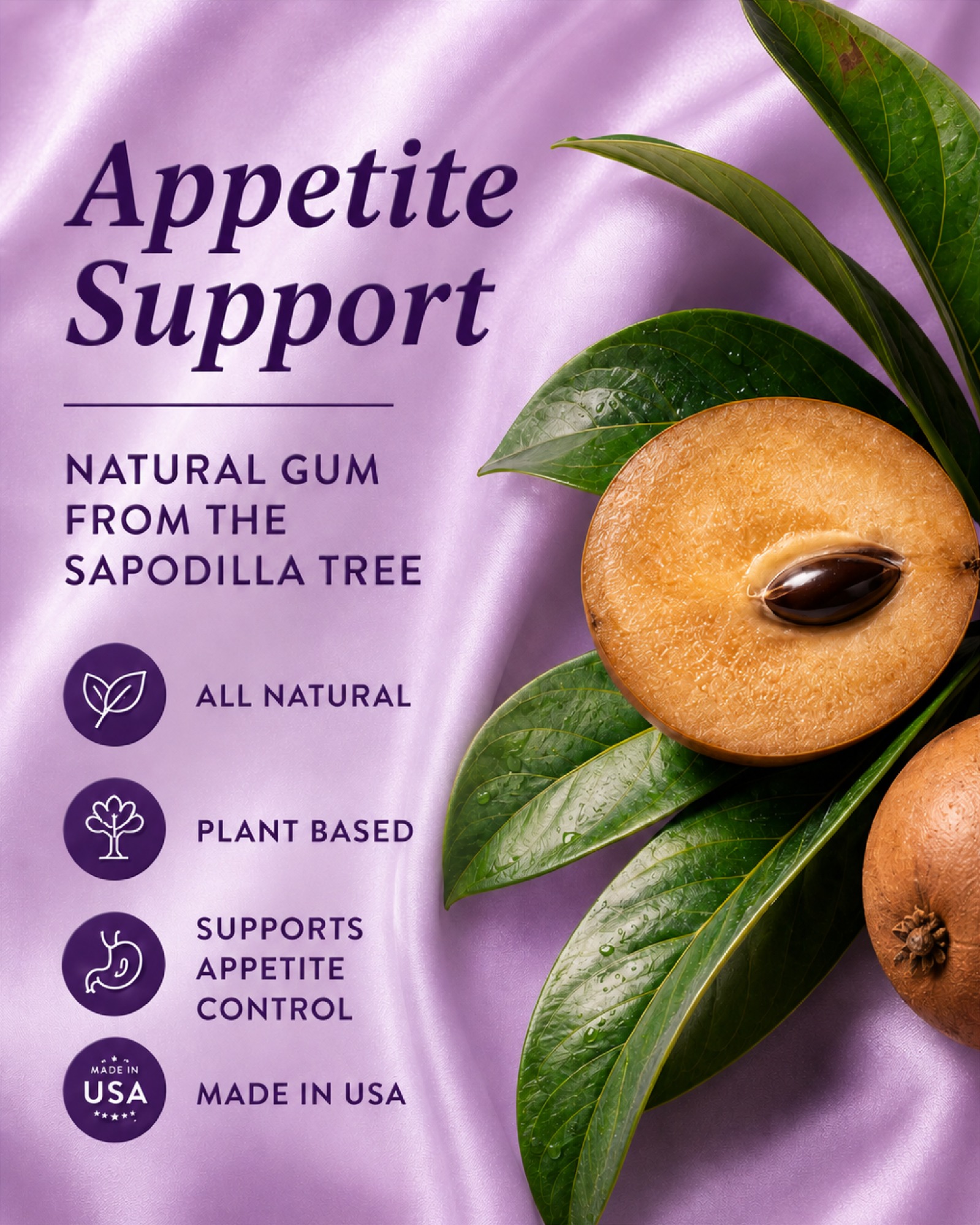
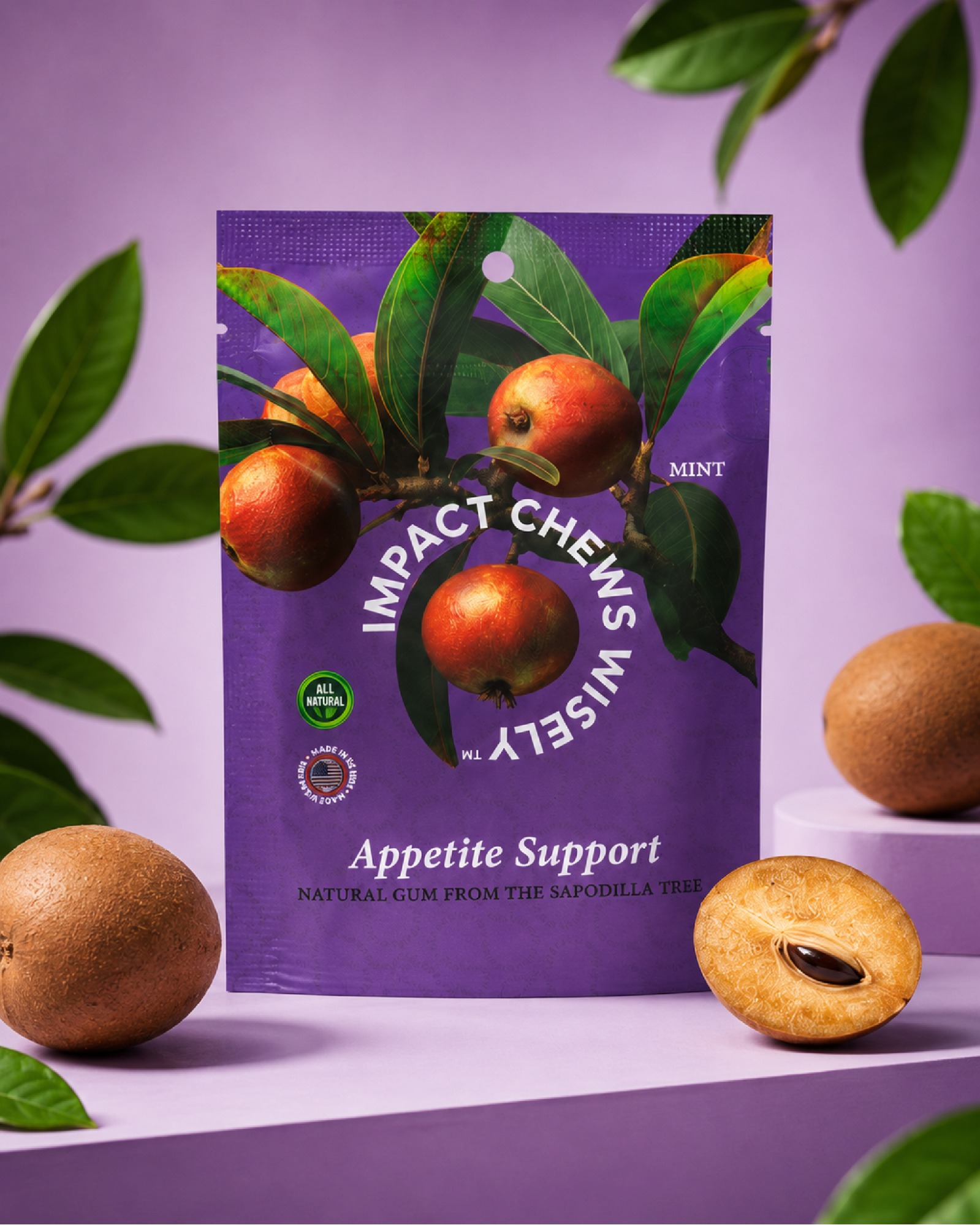
One practical option worth considering during the post-medication maintenance phase is Impact’s Appetite Support from Impact Chews Wisely. It’s a functional chewing gum formulated around four natural ingredients with complementary roles in appetite and metabolic support.
Konjac root provides glucomannan, a water-soluble fiber that absorbs water and expands in the stomach to promote a feeling of fullness physically, without any pharmacological intervention. Garcinia cambogia supports digestive wellness and has been studied for its role in reducing inflammatory responses linked to overeating. Chromium picolinate supports healthy blood sugar regulation, targeting one of the core mechanisms behind post-meal cravings. Fennel seed rounds out the formula, supporting digestion and helping ease the bloating that can accompany dietary changes.
The gum format is intentional. Chewing itself sends satiety signals to the brain before food even arrives. Taking one piece 30 minutes before a meal gives the ingredients time to work while the act of chewing starts the satiety signaling process. It’s a simple habit that fits into any routine without requiring a prescription, a shake, or a major lifestyle overhaul.
Impact’s Appetite Support is plastic-free, vegan-certified, and sweetened with xylitol instead of sugar. Each pack contains 14 pieces, enough to cover a full week at the recommended routine of one piece before each of three daily meals. It’s not a replacement for the lifestyle habits above. It’s designed to work alongside them as a daily tool for the people who want natural support without the side effects that come with prescription-only options.
Impact’s Appetite Support is available for pre-order at impactchewswisely.com. Always consult your healthcare provider before making changes to your weight management plan.
This article is for informational purposes only and does not constitute medical advice. These statements have not been evaluated by the FDA. This product is not intended to diagnose, treat, cure, or prevent any disease