 Science
 Work with Us
 About
About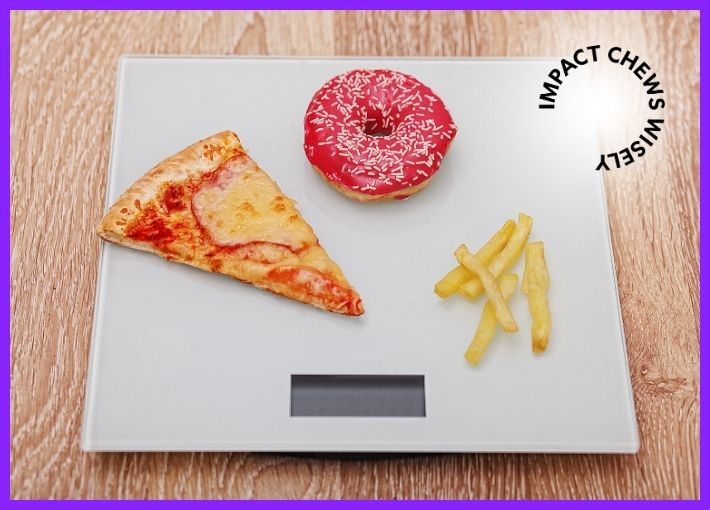
Trigger warning: This article references weight loss and disordered eating. If you are concerned about disordered eating, help and support is available.
If you’ve ever dieted or scrolled through “what I eat in a day” videos online, you’ve @heard of the “cheat day.”
It’s the idea that you can eat whatever you want for one day a week, as long as you stick to your plan for the other six.
People diet for all sorts of reasons — losing weight, gaining muscle, improving athletic performance — but it can be hard to tell whether the cheat day is a genuinely useful tool or just a social media trope that’s stuck around.
For some, a planned indulgence helps them stay the course. For others, it kicks off a cycle of overeating and guilt — especially when “cheat” turns into a 3,000-calorie free-for-all. So what’s actually going on?
Do cheat days actually work?
One of the most-repeated arguments is that cheat days “boost your metabolism” and help you burn more calories.
The theory: when you cut calories, your body adapts and slows your metabolism to match. A periodic surplus, the thinking goes, jolts it back into gear.
The problem is there’s no solid scientific evidence to back this up. Metabolic adaptation is real, but the idea that one big meal a week reverses it doesn’t hold up under scrutiny.
Another popular claim involves leptin — sometimes called the “hunger hormone” — which signals fullness to your brain. Leptin levels drop when you diet, which is part of why restriction feels so hard. Some argue cheat days spike leptin back up and make dieting more sustainable.
But the evidence here is also thin. Whether cheat-day eating meaningfully raises leptin, and whether that translates to easier dieting, remains a matter of debate among researchers — not a proven mechanism.

Do cheat days help you stick to a diet?
This is where things get more interesting, because the answer is psychological rather than physiological.
Some people genuinely benefit from having something to look forward to. A planned Saturday pizza can feel like permission rather than restriction, and that can make the other six days easier to navigate.
But there’s a catch. Framing food as “cheating” reinforces the idea that some foods are good and others are bad — a mindset most eating-disorder dietitians would steer you away from. Food is nutrition, fuel, and enjoyment. How much and how often you eat something matters far more than whether it’s on a “good” or “bad” list.
There’s also a paradox built into restriction itself: the more you tell yourself you can’t have something, the more you think about it. Diets built around dramatic cheat days can be harder to stick to than moderate, flexible plans — because the restriction sets up the binge.

Can cheat days encourage unhealthy eating habits?
This is the part worth taking seriously. Recent research into the physiological and psychological effects of cheat days has flagged real concerns: the pattern of strict restriction followed by a “reward” meal shares features with disordered eating behaviour.
That doesn’t mean everyone who has a Friday-night takeaway is in trouble. But it does mean the structure of “deprive then indulge” can foster an unhealthy relationship with food over time — especially in people already prone to all-or-nothing thinking.
The most effective long-term approach, according to nutrition researchers, isn’t a stricter plan with a bigger release valve. It’s a way of eating that fits your actual life — your tastes, your schedule, your social world — so you don’t need to “cheat” on it in the first place.
Or, as one nutritionist often puts it: the best diet is the one you can actually stick to.
A more sustainable approach to appetite
If the issue isn’t really willpower — and it isn’t — then the answer probably isn’t more restriction. It’s better tools for the moments restriction usually fails: late afternoon, the drive home, the hour before dinner, when hunger feels louder than your goals.
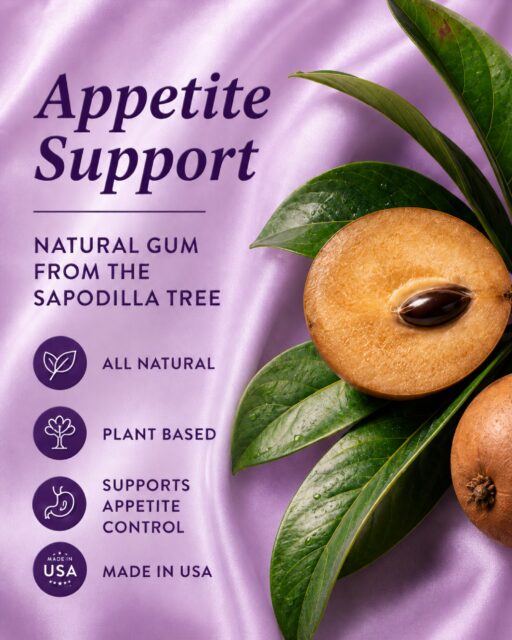
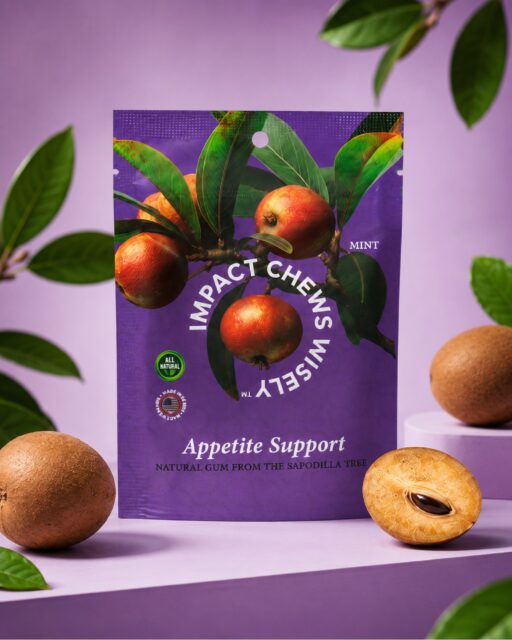
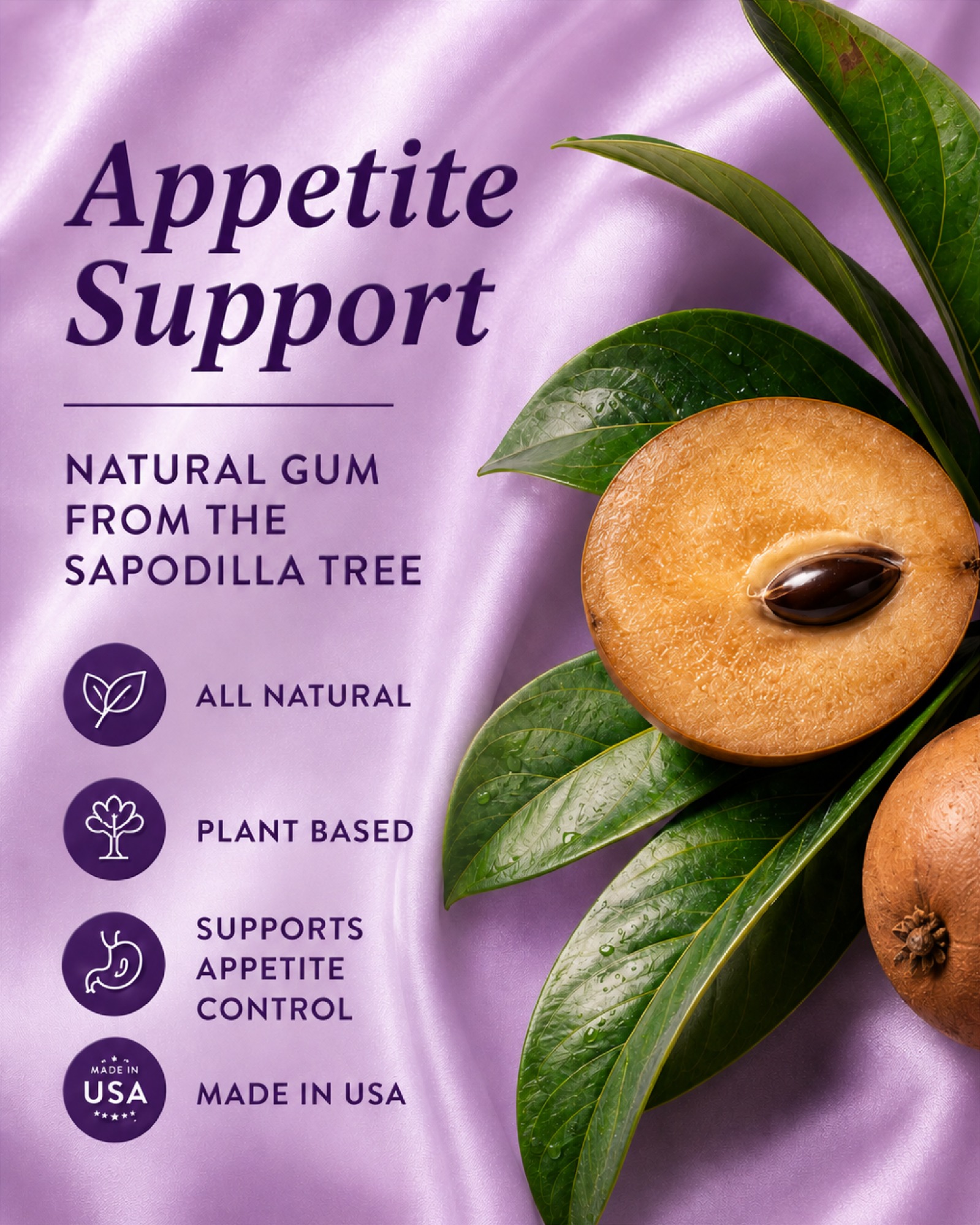
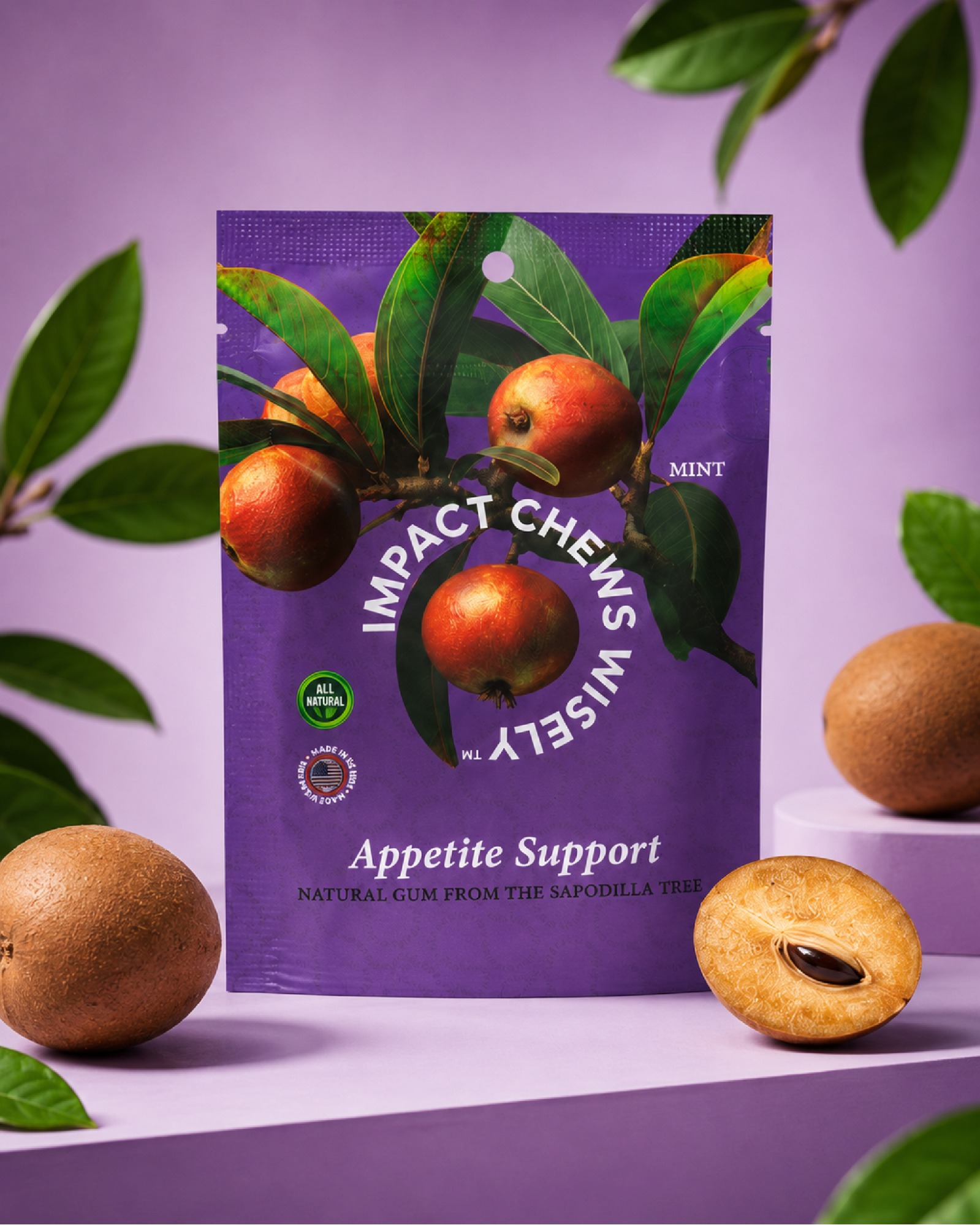
 That’s where Impact’s Appetite Support comes in. It’s a clean, vegan, sugar-free chewing gum made with natural ingredients — designed to take the edge off cravings about half an hour before meals, so you can sit down to eat feeling steady instead of starving. No prescription. No “cheat day” math. Just a small, mindful habit that supports a more flexible way of eating.
Try Impact’s Appetite Support →
14 chews per pack. Chew one piece for 5–10 minutes, half an hour before meals. Built for busy, active lives.
ImpactChewsWisely.com — and come join us on IG!